Introduction: A small shop, a big problem
One time mi deh in a small workshop and di smoke jus’ stay inna di room like a stubborn guest. Many small shops use cheap fans or dusty filters and still mek the air rank up. Fume extraction equipment is supposed to fix that — but not all setups do the job. Recent shop checks and user notes show many operators still wrestle with poor ventilation and lingering particulates (around 60–70% of small metal or laser shops report visible haze after runs). So where di gap deh — and how yuh make better choices without pouring money down the drain?
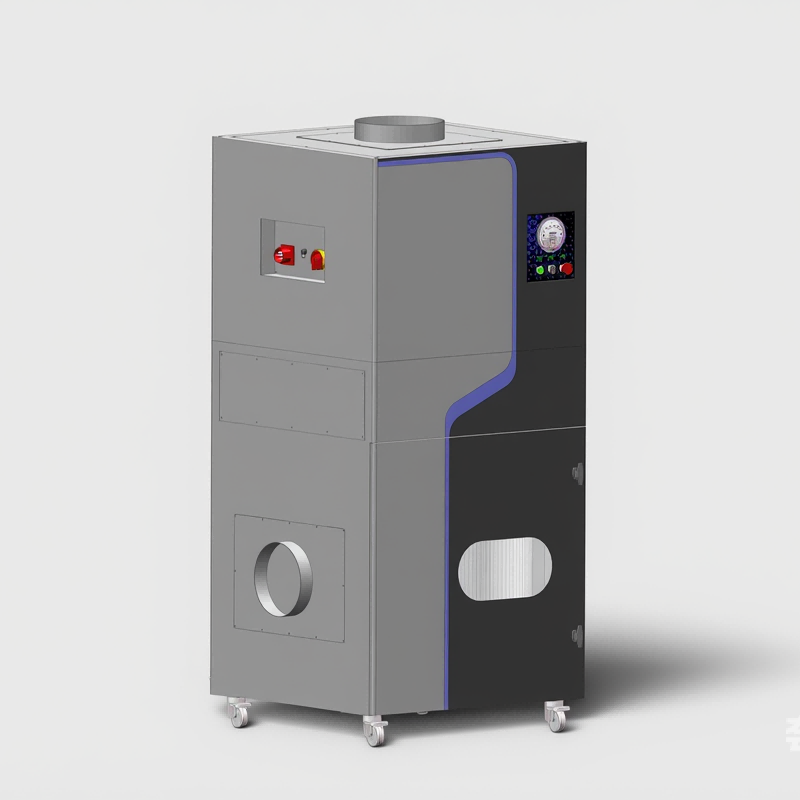
I write as someone who’s spent time on shop floors, fitted hoods, swapped HEPA filter cartridges, and listened to operators complain. I want to share plain, useful comparison points so yuh can spot the real differences: airflow (CFM), filtration stages (HEPA, activated carbon), and the control systems that actually read air quality. We’ll move from what typically fails to what’s worth buying next — step by step, no fuss.
Part 2 — Why common solutions fail (and the hidden pains)
best laser fume extractor sounds like the easy answer, but let me break down why many standard fixes miss the mark. First, people think a big fan equals good extraction. Not true. Airflow (CFM) must match hood design and ductwork layout. Second, single-stage filtration (just a pre-filter) can’t catch ultrafine particulates or gases. Third, control systems without sensors leave you guessing. These flaws cause smoke to recirculate, filters to clog fast, and motors to overwork — all costing time and money. I’ve seen units with weak seals and poor duct runs that leak, so the shop still smells. Look, it’s simpler than you think: fit the right hood, measure CFM, and match filter media to the contaminant.
Now let’s get technical for a moment — defining the real failure points. Poor capture velocity at the source, undersized HEPA filter surface area, and lack of activated carbon for VOCs are common culprits. Fans driven through improper power converters drop efficiency, and without monitoring via edge computing nodes or simple IAQ sensors, you won’t know performance is slipping until someone coughs. The hidden pain? Downtime for filter changes, unexpected fan replacements, and inconsistent product finish. — funny how that works, right?
So what should you watch for?
Part 3 — New technology principles and practical outlook
We’re moving forward now. Modern fume extraction blends proven mechanics with smarter control. A good system balances capture hood design, proper CFM, and staged filtration (pre-filter, HEPA filter, activated carbon). It adds sensors that feed simple dashboards. These are not gimmicks — they let you see when a HEPA filter needs swapping or when VOC levels spike. The advantage here is predictability. Using the best laser fume extractor as a reference, systems that combine solid hardware and clear monitoring cut filter costs and reduce downtime. I’ve noticed shops that add basic sensor feedback avoid a lot of surprises in production.
What’s next — short list style: invest in proper hood capture, check published CFM against your machine’s needs, and choose filtration stages that match your contaminants. Also think about maintenance access and replacement parts — those are the real ongoing costs. If you plan upgrades, consider modular units that let you add activated carbon modules or swap to higher-grade HEPA as needed. You get flexibility, lower lifecycle costs, and better final product quality.
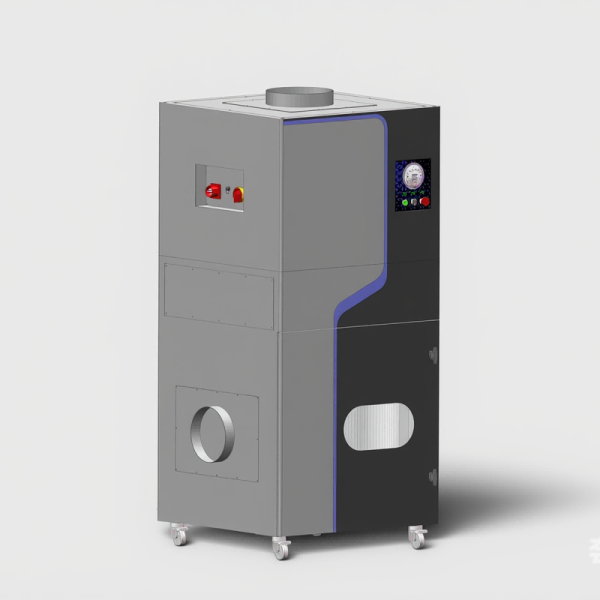
Three quick evaluation metrics I use when choosing equipment: 1) Effective capture (measured hood velocity and matched CFM); 2) Filtration match (particle removal efficiency plus VOC adsorption capacity); 3) Operational telemetry (sensor data, alerts, and simple maintenance logs). Use those to compare options side-by-side. I promise — these metrics cut through the marketing noise and save you cash in the long run. — and yes, people feel the difference at the bench.
In closing, I’ve seen cheap fixes and I’ve seen smart buys. We prefer systems that are honest about airflow, clear about filter life, and open about maintenance. If you want a dependable partner or clearer product specs, check out PURE-AIR — they make clear choices easier to understand and maintain: PURE-AIR.