The landscape of agriculture in North Carolina is undergoing a significant transformation, largely due to advancements in farm machinery. As the demand for efficiency and productivity rises, farmers are increasingly turning to innovative equipment that enhances their operations. This article explores the pivotal role of agriculture farm machinery in shaping modern farming practices within this vibrant state.
The Role of Agriculture Farm Machinery
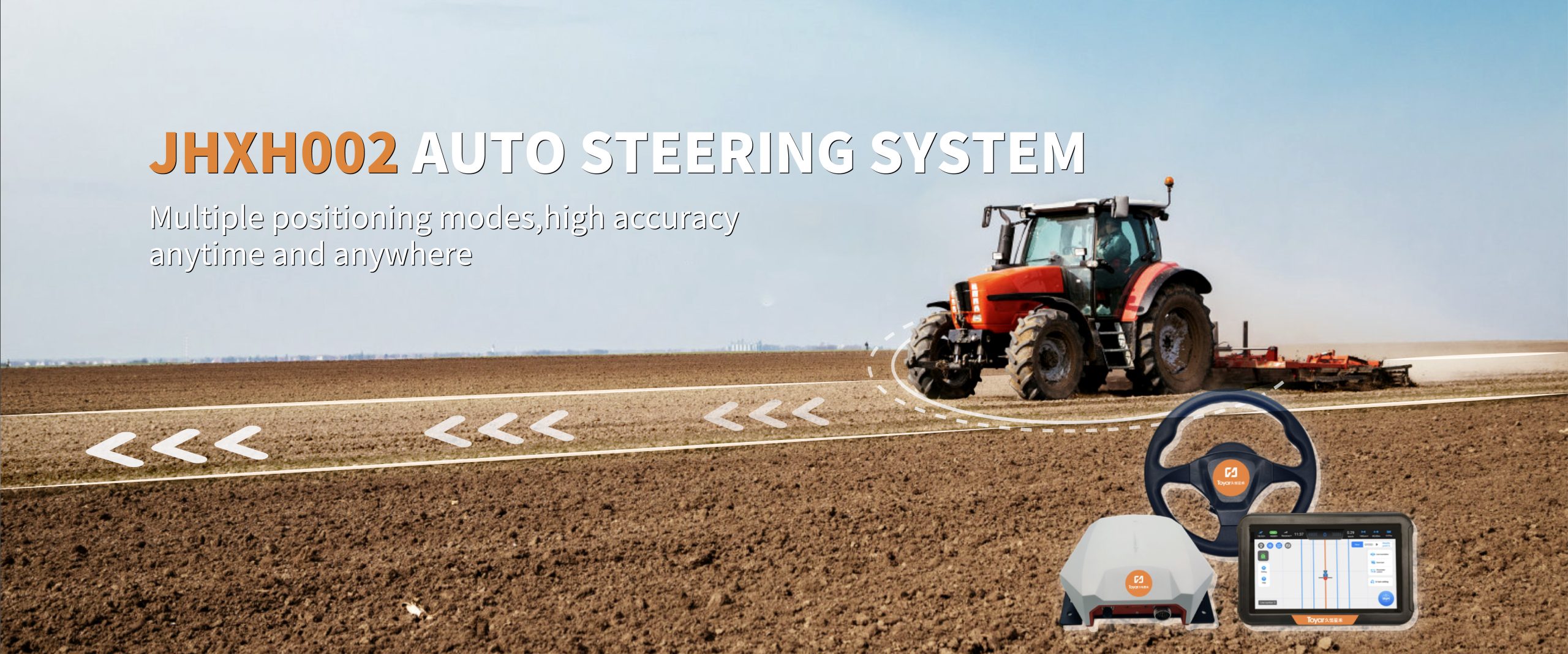
Agriculture farm machinery plays an essential role in optimizing crop production and reducing labor costs. In North Carolina, where diverse crops such as tobacco, corn, and soybeans thrive, the integration of advanced machinery has become indispensable. Tractors equipped with GPS technology allow for precision farming techniques that maximize yield while minimizing waste. Additionally, automated planting and harvesting machines significantly reduce the time required for these labor-intensive tasks. The adoption of such technologies not only boosts productivity but also contributes to sustainable agricultural practices by promoting efficient resource use.
Research Agma-Toyar’s Innovations
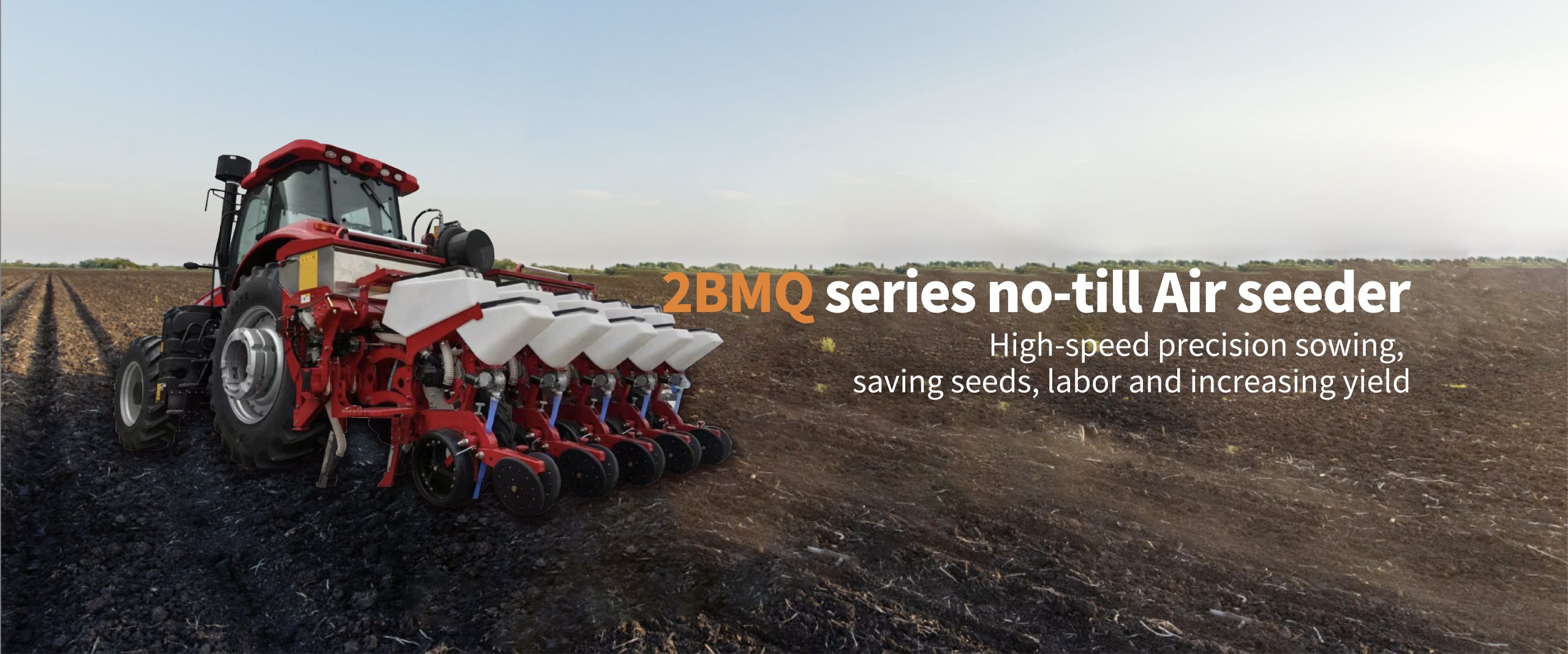
Agma-Toyar has emerged as a key player in providing cutting-edge solutions tailored specifically for farmers in North Carolina. Their range of specialized equipment includes high-efficiency seeders and multi-functional harvesters designed to meet local agricultural needs effectively. By focusing on user-friendly designs and robust performance capabilities, Agma-Toyar ensures that farmers can operate their machinery with minimal downtime or technical difficulties. Furthermore, their commitment to research and development allows them to stay ahead of industry trends while continuously improving existing products.
The Impact of Portable Solar Powered Generators
In addition to traditional farm machinery innovations, portable solar powered generators have gained traction among North Carolina farmers seeking sustainable energy solutions. These generators provide reliable power sources for various agricultural applications without relying on fossil fuels or grid electricity. Farmers can utilize these systems during peak operational hours when energy demands are highest—such as irrigation or processing activities—thereby enhancing overall efficiency while reducing carbon footprints. Moreover, the portability aspect allows flexibility across different fields or locations within farms.
Conclusion: Embracing Change through Agricultural Innovation
The evolution brought about by agriculture farm machinery signifies a new era for farming practices in North Carolina. As we embrace technological advancements like those offered by Agma-Toyar alongside renewable energy options such as portable solar powered generators, it becomes evident that innovation is crucial for meeting future challenges faced by our agricultural sector. Ultimately, investing in modernized equipment will not only enhance productivity but also ensure sustainability—a vital consideration as we strive towards more resilient food systems.